
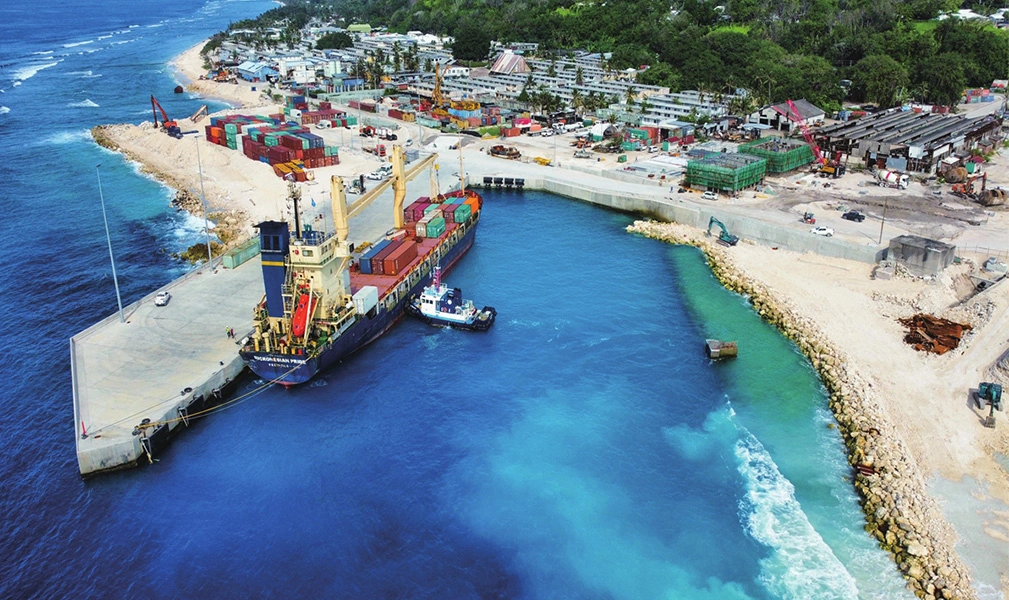
Nauru Citizenship Overview
If you are considering Nauru as your potential new home or wish to understand the governance and administrative structure of this small island nation, then our Nauru Citizenship Overview Nauru Citizenship overview is a great starting point. Nauru, located in the central Pacific Ocean, has a rich history and unique cultural identity, and understanding its citizenship laws is crucial for anyone interested in joining its community.

Historical Context of Nauru Citizenship
Nauru gained independence from Australia in 1968, but its citizenship laws have evolved significantly since then. Governed by the Nauru Constitution, the country has amendments that reflect the current socio-political landscape. Initially, citizenship was straightforward – individuals born to Nauruan parents were automatically granted citizenship. However, in the 1990s, reforms began to put a more structured approach to naturalization and residency.

Eligibility for Nauru Citizenship
To qualify for Nauruan citizenship, there are several pathways available, including:
- By Birth: Individuals born on the island to Nauruan citizens are automatically eligible.
- By Descent: A person born outside Nauru to at least one Nauruan parent can apply for citizenship.
- By Naturalization: Foreign nationals who have legally resided in Nauru for a specific period may apply for citizenship. The standard residency requirement is ten years, although this can sometimes be shorter depending on circumstances and contributions to Nauru.
Application Process for Nauru Citizenship
The process of applying for citizenship in Nauru involves several steps:
- Gather Documentation: Applicants must prepare required documents that include proof of identity, residency status, and any legal entries into the country.
- Submit Application: Completed applications must be submitted to the Nauru Citizenship Office. This includes paying the relevant application fees.
- Interview: Applicants may be required to attend an interview where they will need to demonstrate their knowledge of Nauruan culture, language, and legal obligations as citizens.
- Await Decision: The processing time can vary, and applicants will be notified of the outcome via official communication.
Rights and Responsibilities of Nauruan Citizens
Nauruan citizenship comes with a set of rights and responsibilities. Citizens have the right to vote, run for public office, and receive protection from their government both domestically and internationally. Additionally, with citizenship, individuals are entitled to benefits such as access to healthcare, education, and employment opportunities specific to Nauruan residents.
However, with these rights come responsibilities, including adhering to Nauru’s laws, paying taxes, and actively participating in civic duties. It is essential for every citizen to contribute to the community and uphold the values that Nauru stands for, which respect its unique culture and fragile environment.
Challenges and Considerations
Despite the welcoming nature of Nauru’s citizenship policies, applicants should be aware of potential challenges. The small population and limited resources mean that the government has stringent checks in place. Additionally, Nauru’s remote location may pose challenges in terms of travel and access to international markets.
Moreover, issues concerning climate change affect the sovereignty and future of Nauru. Rising sea levels pose existential threats, making governance and long-term citizenship plans complex. While the government continues to address these issues, individuals interested in naturalization must weigh these factors when considering a permanent move to Nauru.
Conclusion
Nauru offers a distinct opportunity for individuals seeking citizenship in a unique and culturally rich environment. Understanding the process, rights, responsibilities, and challenges is vital for anyone on this journey. Whether you seek to connect with Nauru’s history or get involved in its future, informed citizenship can pave the way for a rewarding experience in the heart of the Pacific.